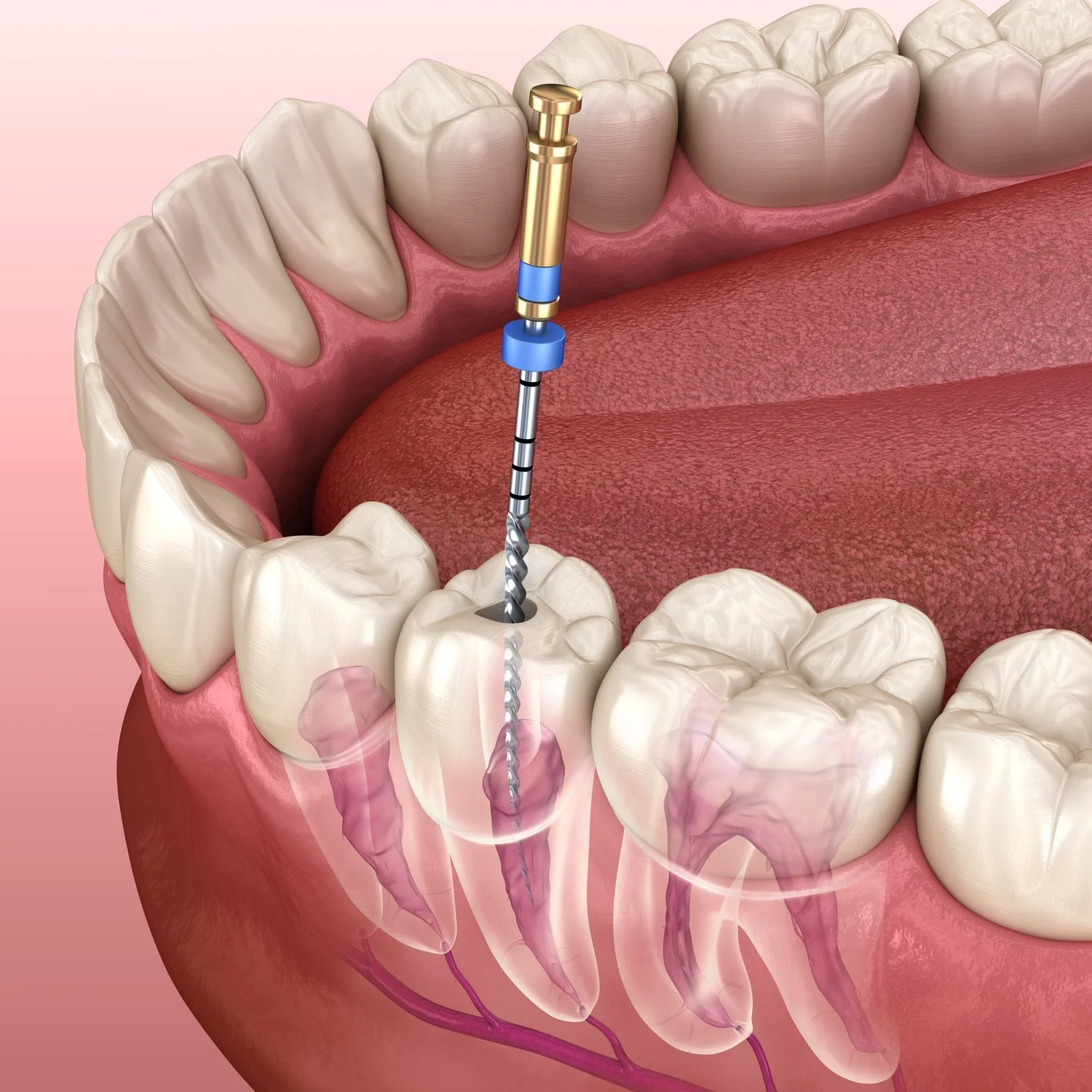
RCT is a dental procedure involving the removal of the soft center of the tooth, the pulp. The pulp is made up of nerves, connective tissue, and blood vessels. Afterwards, the dentist cleans and shapes the inside of the root canal, then fills and seals the space. Later, the dentist will place a crown/ appropriate filling on the tooth to protect and restore it to its original function.
RCT is necessary when the pulp, the soft tissue inside the root canal, becomes inflamed or infected. It might be due to
• deep decay due to an untreated cavity
• multiple dental procedures on the same tooth
• a chip or crack in the tooth
• an injury to the tooth
• Severe pain while biting
• Pimples on the gums
• A chipped or cracked tooth
• Lingering sensitivity to hot or cold, even after the sensation has been removed
• Swollen or tender gums
• Deep decay
While you shouldn’t have significant pain after a root canal, you may notice sensitivity for the first few days. These symptoms are normal and can be successfully managed with painkillers (if needed). In most instances, side effects lessen within a week.
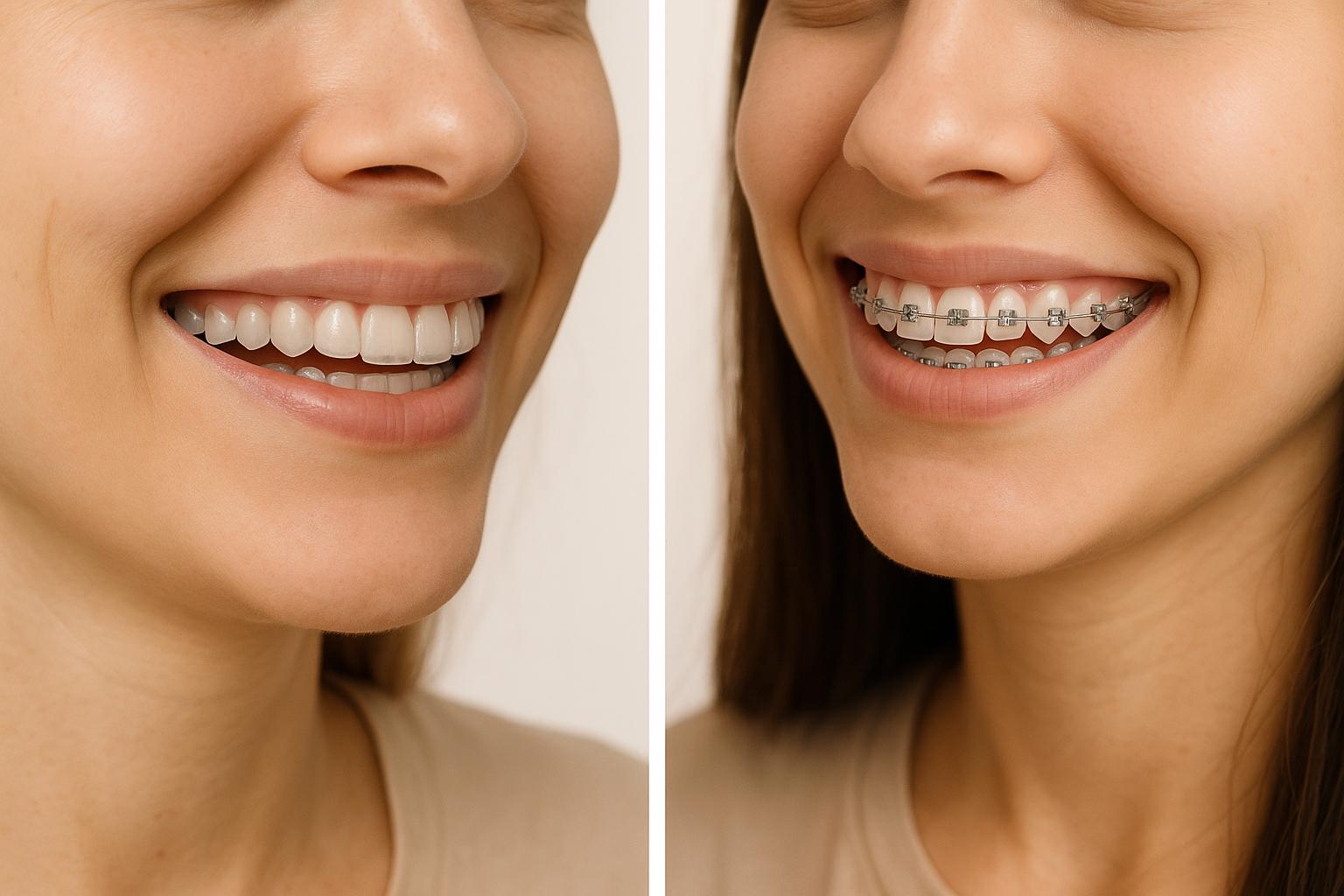
Dental braces are appliances which are used to align or straighten the teeth and guide the teeth to the corrected position. They are made up of wires, brackets, and bands. Braces aid to correct irregular teeth positioning, jaw correction, improvement in chewing and smile aesthetics. Your dentist is the best person to guide on treatment options and modalities depending upon dentition.
This is a stage where adult teeth or permanent teeth replace primary teeth which aid in appearance, speech, and digestion. During this phase, people can face many issues which can be corrected by Braces. These issues include:
Crowding / Haphazardly placed teeth can lead to poor oral hygiene and can also be the reason for Dental Caries (Cavities)
Improper Bite that affects chewing efficiency
Crooked teeth which can be a major reason for Periodontal problems such as Bleeding Gums, Halitosis (Bad Breath) and Tooth Mobility (Premature loss of teeth)
If the teeth are irregular, then it can cause calculus deposits leading to yellow teeth
Forwardly placed / Proclined Teeth which leads to more convex profile and posteriorly displaced chin
The spacing between teeth which can cause speech problems
• Severe pain while biting
• Pimples on the gums
• A chipped or cracked tooth
• Lingering sensitivity to hot or cold, even after the sensation has been removed
• Swollen or tender gums
• Deep decay
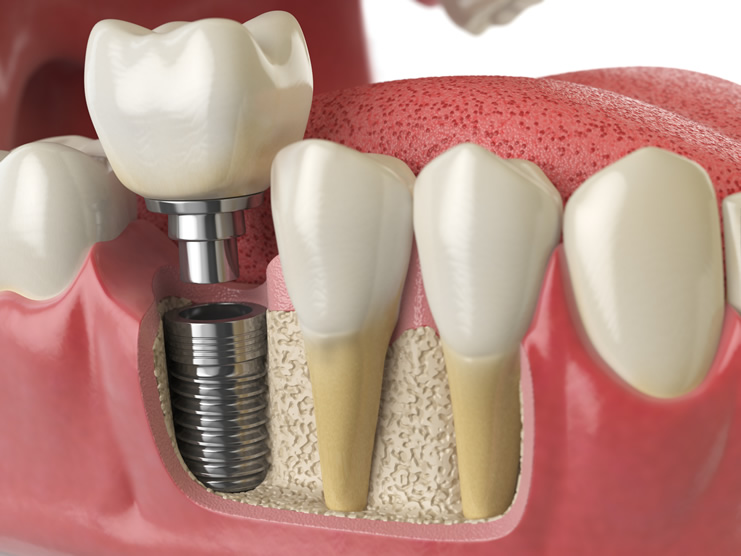
Dental implants are easily the most popular and also the ideal solution, for replacing your missing tooth/teeth. They have definitely changed the course of dentistry in the last quarter of a century or so.
A dental implant is basically a titanium post which is surgically inserted into the jawbone beneath the gum line to work as a tooth root. Post insertion, an implantologist will attach a crown on top of the implant to ensure the appearance of a natural tooth.
One can face the problem of missing teeth at any point in life. Tooth loss can be due to trauma, accident, severe gum disease, tooth decay or even due to poor oral hygiene. If left untreated missing teeth can lead to various consequences such as:
Speech problems resulting from the gap created by one or more missing teeth
Difficulty in chewing
Face may start look older and wrinkled with sunken cheeks as missing teeth can cause sagging of muscles which can’t support lips & cheeks
Pain in the facial muscles of the jaw resulting in an improper bite induced by the missing teeth
Tooth decay and gum disease, over time, due to plaque accumulation & food entrapment in the gap caused by the missing teeth
Improper bite resulting from a tilt of adjacent teeth into the empty spaces caused by a missing tooth
Untreated missing teeth may dent the facial appearance causing low set-esteem or lack of confidence
Hiding smile during conversations or at public gatherings to avoid the embarrassment caused by a bad smile from missing teeth
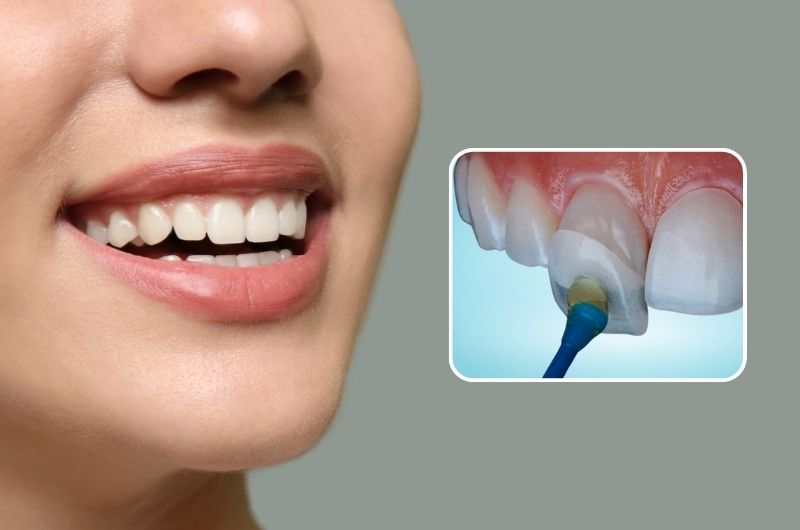
Veneers are a thin tooth coloured shell which can mask discoloration and also correct mild crowding of teeth.They give you million dollar smile that you dream of.
Bleaching of teeth for lightening the shade is carried out.
Cosmetic gum surgery for gummy smile correction is provided through lip repositioning surgery and lightening of gum shade.
Tooth jewellery fixation
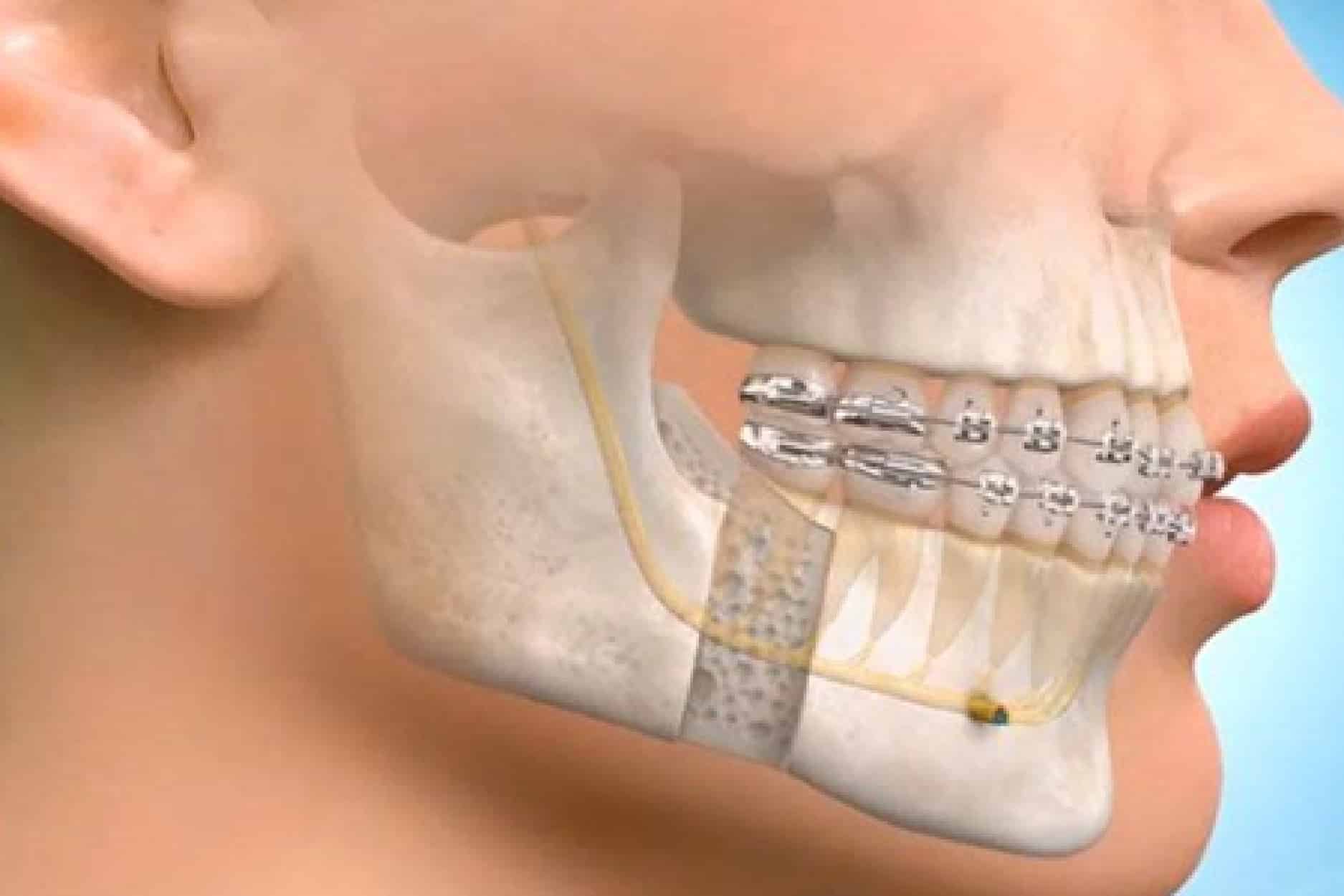
Jaw corrective surgery Too large or too small jaw size affects the facial profile of a patient.Orthodontic treatment combined with Jaw corrective surgery under general anaesthesia is the management of such cases.
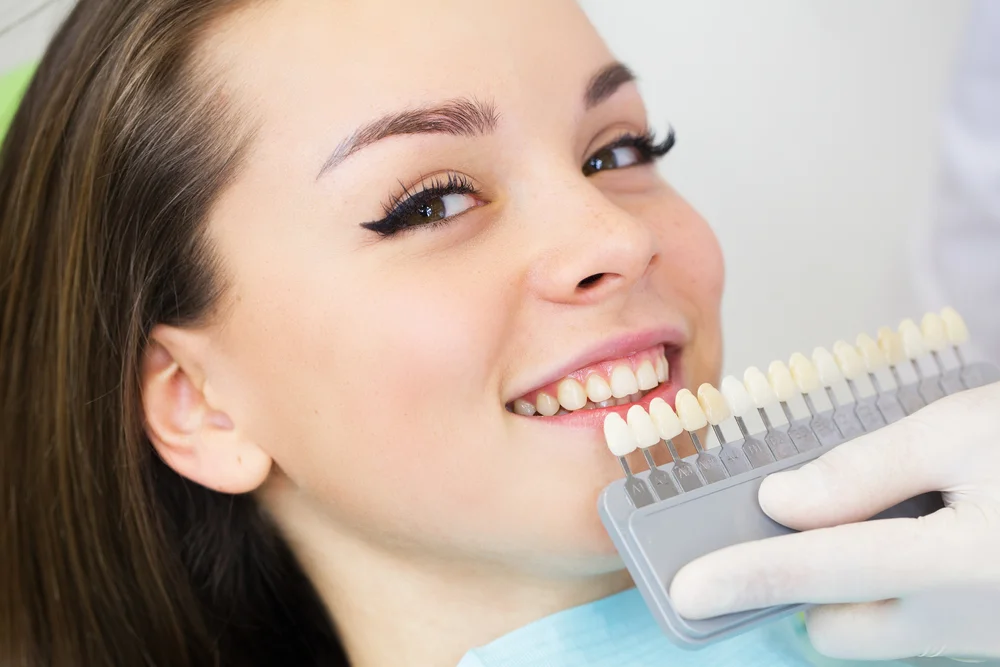

Pediatric Dentel procedures differs slightly from adult dental procedures. but they are all relatively similar fillings, dental cleaning and extractions, root canal treatments , dental crowns etc are the common dental procedures.
Oral and maxillofacial surgery is a surgical specialty focusing on surgical tooth extractions, reconstructive surgery of the face, facial trauma surgery, the oral cavity, head and neck, mouth, and jaws, as well as facial cosmetic surgery.
An oral surgeon gets trained for 3 years in removal of high risk extractions like curved roots, proximity to anatomical structures, management of complications arising from tooth removal like oro-sinus communication, uncontrollable bleeding, extractions in medically compromised patients like diabetes mellitus ,post bypass surgerypost ,stent placement,pre and post chemo-radiotherapy patients and so on.
We also provide needleless jet injection of local anesthesia drug, computerized delivery of local anesthesia drug to deeper tissue.Fixation of fractured facial bone under local anaesthesia and genral anesthesia, management of tumours,cysts are offered.
Laser assisted surgical procedures like frenectomy, biopsy, excision of lesions are routinely carried out.
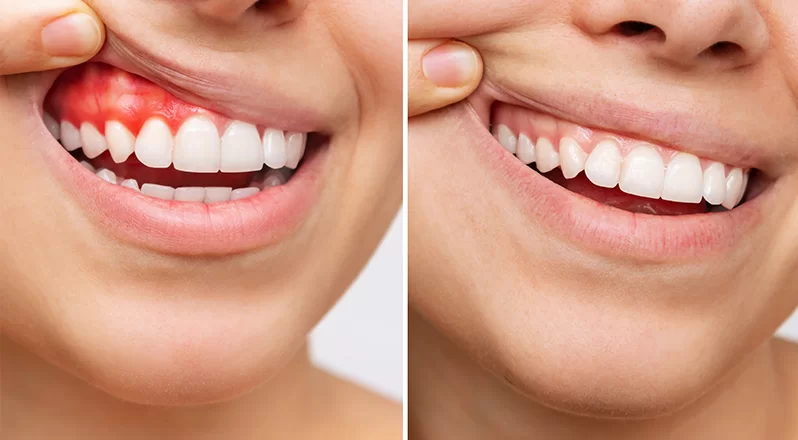
Periodontology or periodontics is the specialty of dentistry that studies supporting structures of teeth, as well as diseases and conditions that affect them. The supporting tissues are known as the periodontium, which includes the gingiva (gums), alveolar bone, cementum, and the periodontal ligament. Laser assisted flap sirgery treatment is available for gum diseases and loosened teeth.
For a fast but enduring smile makeover, Pala Dental offers porcelain veneers to correct a variety of imperfections in a smile.
A dental veneer is a thin facing made from porcelain that is bonded to the front of the tooth. These very natural-looking cosmetic restorations can completely transform your smile. Best of all, your makeover can be completed in just two visits of treatment, plus one for the doctor to take your measurements and impressions.
Porcelain veneers have an average lifetime of ten years but can last a very long time if well taken care of.
For a fast but enduring smile makeover, Pala Dental offers porcelain veneers to correct a variety of imperfections in a smile.
Discolouration, yellowing, or staining
Tooth gaps
Chipping
Misalignments
Teeth that are too short
Teeth that appear too small
Teeth that have bumps or craters